
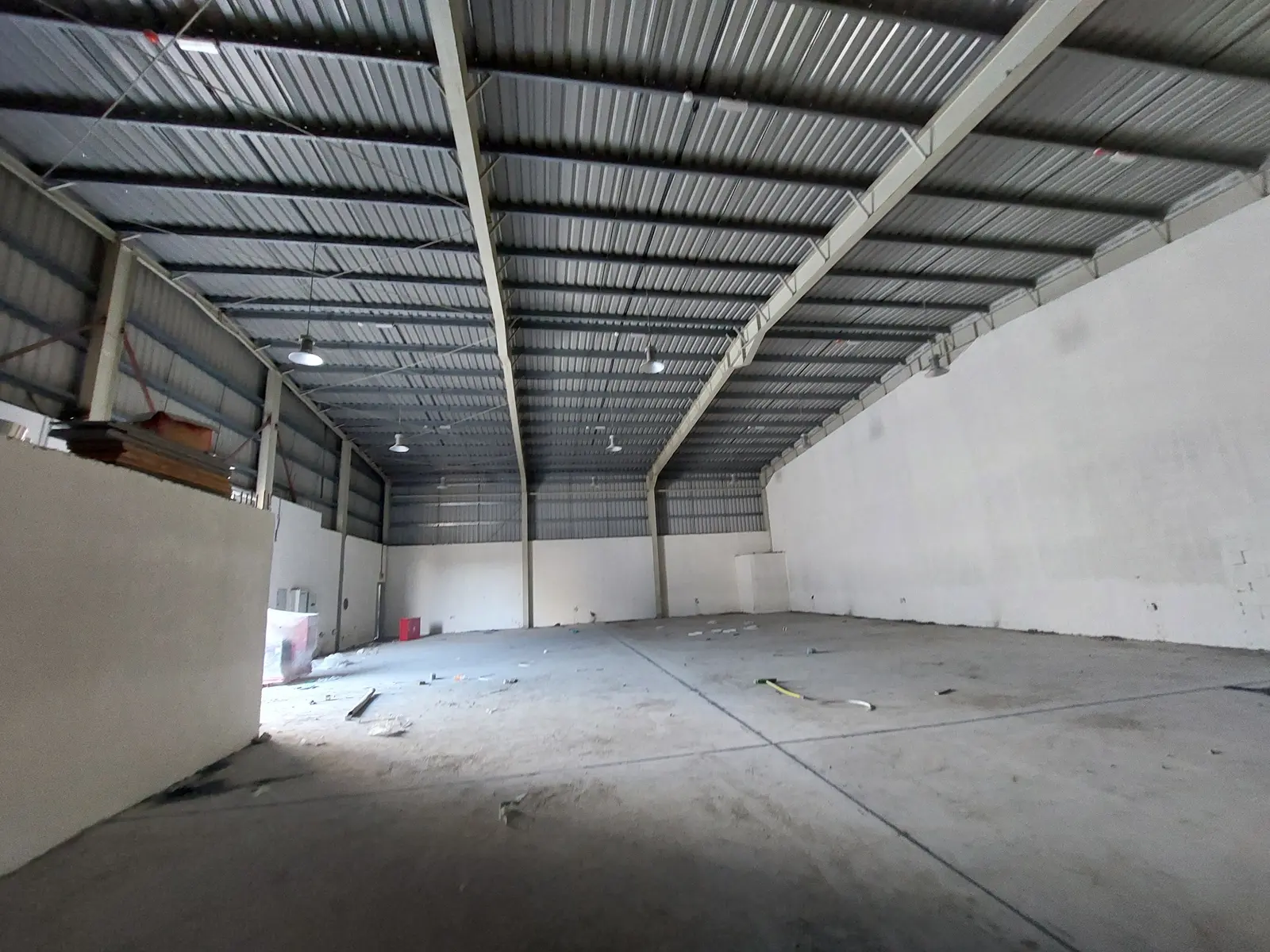
An existing tenant removes one uncertainty for an investor, but it does not remove the need for due diligence. Rented industrial land can be attractive because the income is already in place, provided the lease, collections, use and underlying land all stand up to review.
Start with the lease, not the advertised yield
Ask for the current lease, start and expiry dates, rent and payment schedule. Then reconcile the contract with actual collections. Contracted rent and cash received are not always the same number.
Already-rented industrial plots are available
Current opportunities include industrial land that is fully fenced and partially rented, with sizes starting from about 11,000 sq ft. That lets an income-focused buyer review a real lease rather than rely on assumed future rent.
Review the tenant as well as the land
Understand the operating activity, payment record, lease duration and any obligations between landlord and tenant. A lease close to expiry should be treated differently from one with a longer remaining term.
Ask what happens if the tenant leaves tomorrow
If the tenancy ended, would the plot still be a sound industrial asset by location, use and size? Existing income should strengthen the acquisition case, not be the only reason for it.
Calculate return on the exact plot
Do not use a general project or area yield. Use the actual annual collected rent, purchase price and transaction costs for the specific plot, then stress-test vacancy or a different renewal rent.