
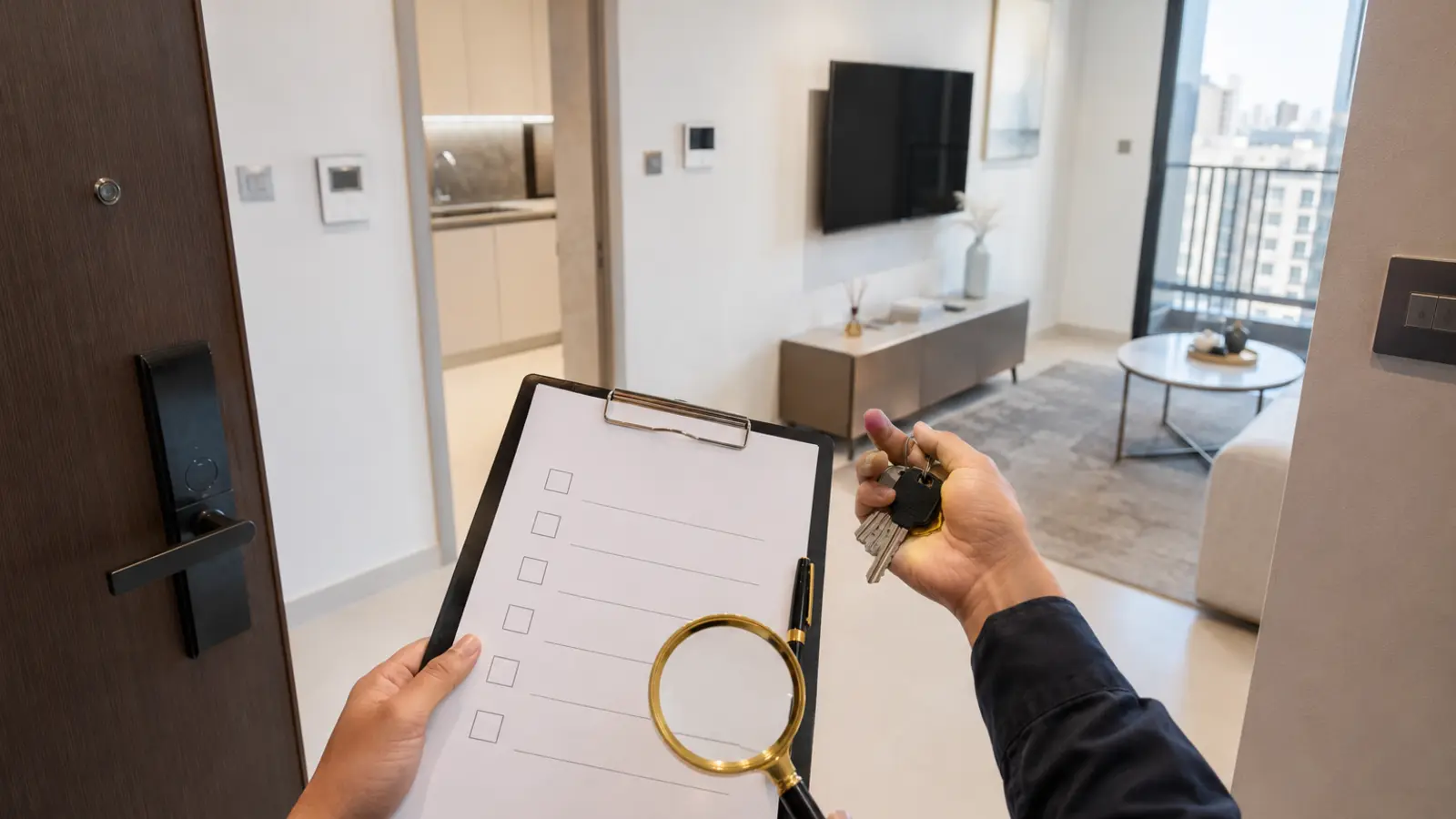
A deposit is not a “reserve now, investigate later” button. It is the point at which walking away usually becomes harder, so the important questions belong before it. These mistakes appear across apartments, land, buildings and warehouses even though the details of each deal differ.
1. Treating the advertisement as a document
Area, use, parking and property status should be checked against title records, plans and the viewing. An advertisement introduces the property; it does not legally prove the details.
2. Paying someone before verifying authority
Match the seller to the registered owner or a valid power of attorney that covers sale and receipt of funds. Urgency is not a reason to transfer money to a party without documented authority.
3. Assuming ownership rules are identical for every buyer
Confirm that the buyer can own the specific unit or plot under the applicable rules. A general statement about foreign ownership does not replace a transaction-specific check.
4. Applying one remembered fee percentage
Asset type, service and party status can affect transaction cost. Build a budget for the actual deal rather than adding one generic percentage to the asking price.
5. Leaving mortgages and liabilities until transfer day
Clarify mortgage status, service charges, NOCs and required settlements early. Anything capable of stopping transfer should be visible before the final appointment is set.
6. Buying off-plan from the brochure
Review project registration, contract, payment plan, construction milestones and handover terms. Marketing visuals describe the proposed future; they do not replace legal documents.
7. A superficial inspection of ready property
Check air-conditioning, leaks, electrical condition, doors and facilities. A building or warehouse may require broader technical review of systems, safety and loads.
8. Calculating return from gross rent
Vacancy, collections, maintenance, management, charges and total acquisition cost affect real return. Annual rent alone is not net income.
9. Calling expected rent “current income”
Separate an existing lease, actual collections and rent that may be achieved in the future. A forecast does not belong in the current-income column.
10. Ignoring activity approval in commercial or industrial property
A shop or warehouse does not automatically support every business. Confirm the activity and required approvals before paying for a location that may not work for the intended operation.
11. Signing a vague deposit agreement
Write down price, time limits, documents, cost allocation, refund conditions and what happens if finance fails or a legal issue prevents transfer. Ambiguity simply postpones the argument.
12. Buying without an exit plan
Even a long-term buyer should ask who may buy or rent the property later and what holding it would cost if the market changes. Exit liquidity is part of purchase quality.
Official sources
- Ajman Land Department: Sale Registration of a Real Estate or Unit
- Government of Ajman: Tentative Registration of a Real Estate Unit Sale
- Ajman DED: Business Activity and Approval Inquiry
- Ajman Land Department: Real Estate Valuation Service
Links and facts were reviewed on 1 August 2026. Fees and requirements may be amended by the competent authorities; confirm them at the time of transaction.